
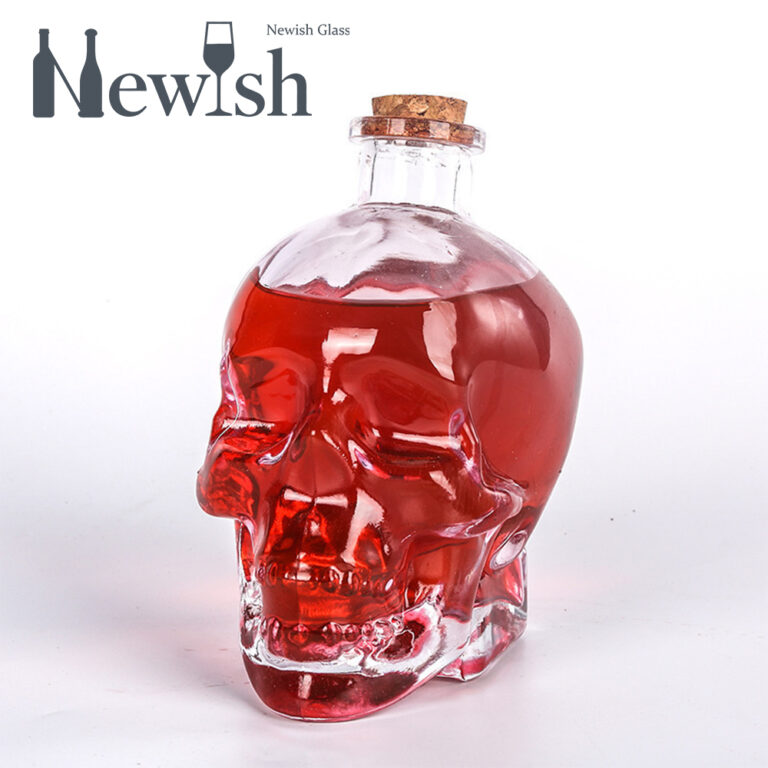


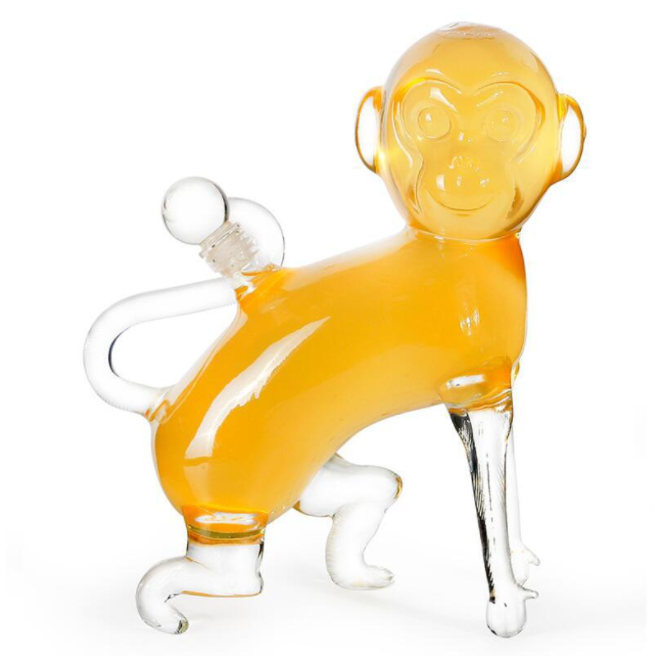


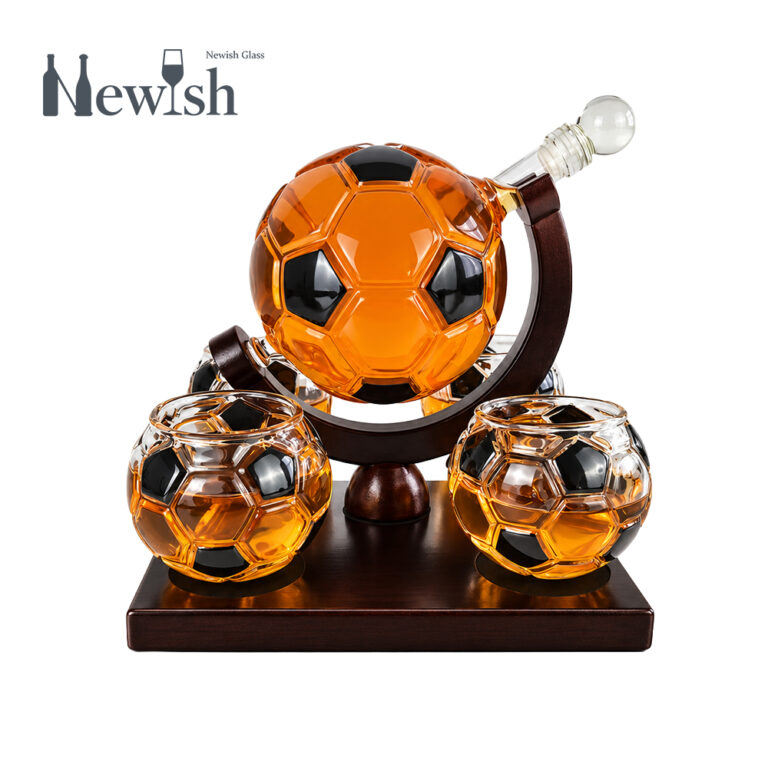
Custom glass liquor bottles play an important role in helping spirits brands create distinctive packaging and memorable product collections. From traditional whiskey bottles to creative animal-shaped decanters, the manufacturing process involves careful design, appropriate material selection, skilled glass forming, quality inspection and protective packaging.
For liquor brands, wholesalers and distributors, understanding how custom glass bottles are manufactured can help improve product development decisions, control costs and establish reliable relationships with glassware suppliers.
In this guide, NewishGlass explores the main stages of custom glass liquor bottle manufacturing, including the specialized techniques used to produce decorative high borosilicate glass bottles.
1. Product Design and Customization Requirements
Every custom glass liquor bottle project begins with a clear product concept.
Customers may provide technical drawings, reference photographs, 3D models or physical samples. The manufacturer then evaluates the design to determine its production feasibility.
Important considerations include:
- Bottle shape and dimensions
- Required capacity, such as 500ml, 750ml or 1000ml
- Glass material and transparency
- Bottle neck and closure design
- Decorative features and internal glass sculptures
- Logo placement and surface decoration
- Packaging requirements
- Target order quantity and budget
For specialty liquor bottles, additional attention is required for complex curves, narrow openings, detailed decorative components and stable bottle construction.
Early communication between the customer and manufacturer helps identify potential challenges before sampling or production begins.
2. Choosing the Right Glass Material
Material selection is one of the most important decisions in custom glass bottle manufacturing.
Different materials offer different forming characteristics and applications.
High Borosilicate Glass
High borosilicate glass is widely used for specialty glassware, decorative decanters and complex glass shapes.
It offers low thermal expansion, good thermal shock resistance and excellent transparency.
For creative liquor bottle projects, high borosilicate glass can be formed using specialized flame-working and glassblowing techniques.
This makes it suitable for products such as:
- Animal-shaped glass liquor bottles
- Custom whiskey decanters
- Glass bottles with internal decorative sculptures
- Novelty-shaped liquor bottles
- Specialty barware and gift sets
Soda-Lime Glass
Soda-lime glass is commonly used for commercial beverage packaging, including many conventional whiskey, vodka, wine and spirits bottles.
It is suitable for industrial bottle manufacturing and established high-volume production methods.
Crystal Glass
Crystal glass is another option for certain premium glassware applications, valued for its optical appearance and decorative qualities.
The appropriate material depends on the required bottle design, intended use, manufacturing method, compliance requirements and project budget.
3. Glass Forming and Bottle Shaping
The forming process depends on the selected glass material, product structure and production quantity.
Handmade High Borosilicate Glass Forming
For many intricate borosilicate designs, artisans use glass tubes, rods and other prepared glass components.
These materials are heated with specialized burners until the glass becomes workable.
The softened glass can then be shaped, expanded, joined or sculpted to create different bottle structures and decorative elements.
For example, producing an animal-shaped whiskey bottle may involve forming the main body, sculpting individual features and carefully joining compatible glass components.
Complex shapes require experienced craftsmanship, careful temperature control and attention to wall thickness and structural stability.
Industrial Glass Bottle Forming
Conventional container glass bottles are often produced using industrial forming equipment.
In a typical process, glass raw materials are mixed and melted, then measured portions of molten glass are delivered into forming molds.
Depending on the bottle design and manufacturing method, the glass may be formed using blow-and-blow or press-and-blow techniques.
These processes are especially important for producing consistent bottles at larger production volumes.
Not every bottle design uses the same forming process. A decorative handmade borosilicate bottle and a conventional mass-produced spirits bottle may require substantially different manufacturing methods.
4. Creating Special Shapes and Decorative Details
One of the most distinctive aspects of custom glass liquor bottle manufacturing is the ability to develop unusual shapes.
Creative glass bottles may incorporate:
- Animals and wildlife sculptures
- Sports-inspired designs
- Vehicles and musical instruments
- Globe-shaped bottles
- Internal ships and other glass sculptures
- Custom decorative bottle stoppers
For intricate high borosilicate designs, additional glass components may be formed separately and joined during production.
The manufacturer must consider not only appearance but also structural stability, filling access, cleaning, closure compatibility and packaging protection.
A successful custom liquor bottle should balance visual appeal with practical functionality.
5. Annealing and Controlled Cooling
After forming, glass products require an appropriate cooling process.
Annealing is used to reduce residual internal stresses that may develop during glass forming and temperature changes.
The required annealing schedule depends on the glass composition, wall thickness and product design.
For complex handmade glass bottles, careful temperature management is particularly important around joined components and areas with different thicknesses.
Proper annealing helps reduce the risk of stress-related cracking and improves product reliability.
6. Surface Decoration and Custom Branding
Once the glass bottle has been formed and inspected, decorative finishing can be applied according to the customer’s requirements.
Common customization options include:
Custom Logo Printing
Brand names, logos and product information can be added using suitable glass decoration processes.
Decal Decoration
Decorative decals can incorporate artwork, colored patterns and branding details.
Color Decoration
Selected glass products may be customized with colored finishes, subject to process compatibility and intended use.
Personalized Labels and Packaging
Custom labels, gift boxes and printed packaging materials help create a coordinated branded presentation.
The decoration method should be selected according to the glass material, design, durability requirements and any applicable food-contact or product safety requirements.
7. Quality Control and Product Inspection
Quality control is an important stage in custom glass liquor bottle production.
Depending on the product specification, inspection may include:
- Visual appearance and surface quality
- Bottle capacity and dimensions
- Glass wall consistency
- Surface defects, chips and cracks
- Bottle stability and balance
- Glass joint integrity
- Closure fitting and leakage performance
- Decoration quality
- Packaging suitability
Complex handmade glassware may require additional checks around sculpted components and joined sections.
For bulk orders, customers should agree on inspection requirements, acceptable tolerances and sample approval criteria before production.
Clear specifications help reduce misunderstandings and maintain consistent product quality.
8. Protective Packaging and Export Preparation
Packaging is especially important for custom-shaped glass bottles because unusual designs may contain delicate or projecting components.
Suitable packaging solutions may include protective inserts, molded supports, individual cartons and customized gift boxes.
The packaging design should account for the bottle shape, accessories, decorative stopper and any included glasses or display stands.
For international orders, the supplier should also consider carton strength, packing arrangements and transportation handling requirements.
Packaging samples and transport testing may be appropriate for fragile or high-value designs.
9. OEM & ODM Custom Glass Liquor Bottle Manufacturing
OEM and ODM services allow brands to develop glass liquor bottle products according to their business requirements.
OEM (Original Equipment Manufacturing) typically involves manufacturing according to a customer’s specifications or existing design.
ODM (Original Design Manufacturing) may include design development, technical input and product customization based on a customer’s concept.
Depending on project requirements, customization services may cover:
- Bottle shape and capacity
- Custom glass structures
- Decorative features
- Logo and branding
- Packaging development
- Product sampling
- Bulk production arrangements
A reliable manufacturing partner should clearly explain which customization options are technically feasible, the applicable minimum order quantity and the expected sampling and production requirements.
10. Why Choose NewishGlass for Custom Glass Liquor Bottles?
NewishGlass, based in Weifang, Shandong Province, China, specializes in custom glassware for global beverage, gift and hospitality markets.
Our product range includes custom glass liquor bottles, whiskey decanters, high borosilicate glassware, decorative barware and specialty glass products.
We work with brands, wholesalers and distributors on OEM & ODM glassware projects, offering support across product development, sampling, production coordination, quality control, packaging and delivery.
Whether you are developing a creative animal-shaped whiskey bottle, a decorative liquor decanter or a customized gift collection, NewishGlass can help evaluate your product requirements and explore suitable manufacturing solutions.
Frequently Asked Questions
Can glass liquor bottles be customized into unusual shapes?
Yes. Depending on the material and manufacturing method, custom glass bottles can feature animal shapes, sports themes, decorative sculptures and other creative designs. Feasibility must be assessed for each project.
What is the difference between high borosilicate glass and soda-lime glass?
High borosilicate glass has lower thermal expansion and is commonly used for specialty glassware. Soda-lime glass is widely used for conventional commercial beverage bottles. The best choice depends on the product design and application.
Can I add my brand logo to a custom glass liquor bottle?
Yes. Custom logo decoration may be available through printing, decals, labels or other compatible finishing methods.
What is the minimum order quantity for custom glass liquor bottles?
MOQ depends on the bottle design, glass material, manufacturing process and customization requirements. Contact NewishGlass with your project specifications for details.
How long does custom glass bottle production take?
Production schedules depend on design complexity, sampling, production quantity, decoration and packaging requirements. A project-specific timeline should be confirmed before placing an order.
Conclusion
Custom glass liquor bottle manufacturing involves much more than shaping glass into a container.
From product design and material selection to glass forming, annealing, decoration, inspection and export packaging, each stage contributes to the final product’s appearance and functionality.
For brands looking to create distinctive liquor packaging, understanding these processes can help support better sourcing decisions and more successful custom glassware projects.
Looking for a custom glass liquor bottle manufacturer?
Contact NewishGlass to discuss your design ideas, OEM & ODM requirements and wholesale glassware projects.
Website: https://www.newishglass.com/
Email: ming@newishglass.com